Table of Contents
- What Is a Parking Meter System?
- Evolution of Parking Meters
- Pay and Display Systems
- Benefits of Parking Meters
- 8 Benefits of Using Parking Meters
- 1. Parking Spaces are Kept Free for Customers
- 2. More Use of Parking Space
- 3. Revenue Generation
- 4. Cleaner Environment
- 5. A Variety of Payment Options
- 6. Accuracy
- 7. Data Remains Intact
- 8. A Low Cost Solution
- Streamlining Parking Operations with Parqour
- Related Reading
- What Are the Different Types of Parking Meters Available?
- Single-Space Meters
- Dual-Space Meters
- Multi-Space Meters
- Smart Parking Meters
- Related Reading
- How Do Parking Meters Work?
- 1. Pay and Display
- 2. Pay By Space
- 3. Pay By License
- 4. Phone Parking Payment
- 21 Best Parking Meter Companies
- 1. Parqour
- 2. T2 Systems
- 3. Flowbird Group
- 4. Amano Corporation
- 5. IBM Corporation
- 6. Robotic Parking Systems, Inc
- 7. Xerox Corporation
- 8. SKIDATA
- 9. Streetline
- 10. Spaceplus
- 11. Conduent, Inc
- 12. Park Mobile, LLC.
- 13. Robert Bosch GmbH
- 14. SWARCO
- 15. Spot Hero
- 16. CivicSmart
- 17. IPS Group
- 18. LocoMobi
- 19. Parking BOXX
- 20. Ventek International
- 21. MeterFeeder
- 5 Metrics to Evaluate the Best Parking Meter Solution
- 1. Pay-by-Plate versus Pay-and-Display Technology
- 2. Smart and Connected Technology
- 3. Hardware Reliability and Durability
- 4. Secure Revenue Processing
- 5. Enhancing Your Parking Operation with Value-Add Integrations
- Related Reading
- Simplify Your Parking Operations and Improve Your Customer Experience with Parqour -Book A Free Demo Today
- Simplifying Parking Operations
- Streamlining Operations and Enhancing Convenience
- Robust Features and Comprehensive Solutions Offered

Do not index
As parking meters become more sophisticated, customers are trusting parking meter companies to handle the nitty-gritty details. Understanding the benefits and implications of parking lot design is crucial for businesses and large commercial spaces that rely on these tools. The impact of these devices goes way beyond the coins inserted in the slot. The modern parking meter is a sophisticated technology marvel that makes life easier for both drivers and parking lot owners. Learn more about parking meter companies and how they can positively impact your business.
What Is a Parking Meter System?
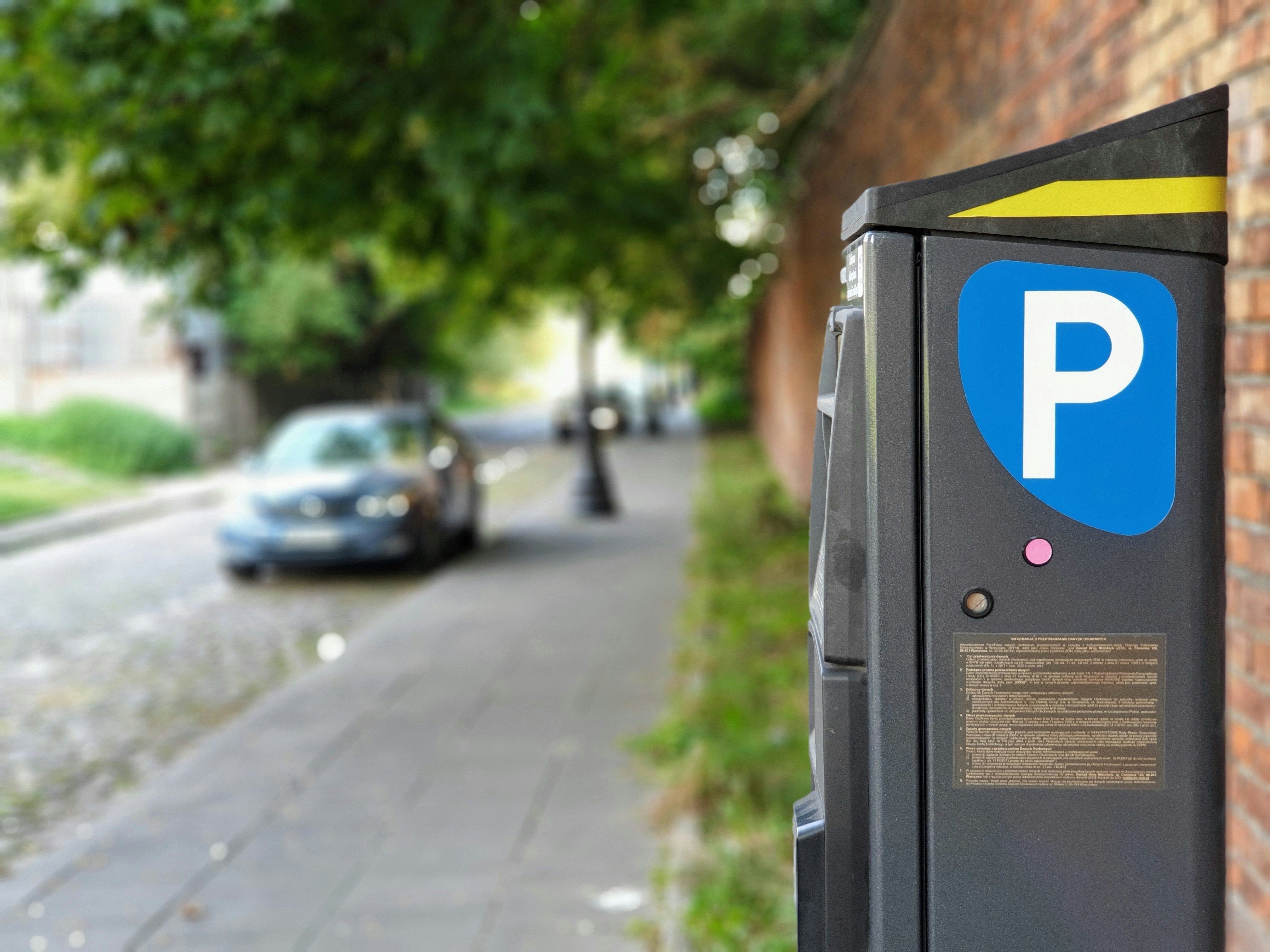
When discussing parking meter systems, it's essential to understand their purpose and components. These systems are designed to manage paid public parking efficiently, ensuring turnover and generating revenue. The components of a parking meter system include individual meters, pay stations, enforcement tools, and backend management software. Municipalities, universities, private parking operators, and other entities deploy these systems to regulate parking and maximize revenue streams.
Evolution of Parking Meters
Parking meters have come a long way since their inception in the early 1930s. Back then, the concept was simple: encourage parking turnover in busy areas. The first parking meter was installed in 1935, and the idea quickly spread. Over the years, the design of parking meters evolved. The traditional coin-operated analog meters were replaced by digital parking meters in the 1980s. This technological advancement made it easier for motorists to understand and pay for parking, while also providing cities with enhanced flexibility in managing parking rates.
Pay and Display Systems
One significant development in parking meter systems is the introduction of pay and display setups. These systems allow a single machine to monitor multiple parking spaces. Motorists need to note their parking space number and pay at the central machine. Pay and display systems may also accept credit cards and transit tokens, offering added convenience to drivers. By encouraging better parking practices and reducing congestion in busy areas, pay and display systems have proven to be effective in managing public parking.
Benefits of Parking Meters
Parking meters play a crucial role in urban traffic management. By regulating parking and encouraging turnover, they reduce congestion in downtown areas. Motorists are incentivized to use alternative modes of transportation, such as public transit or biking, to avoid parking tickets.
Revenue generated from parking meters is allocated to fund various public projects, including transportation improvements and public transit services. The use of parking meters benefits both cities and their residents by ensuring efficient parking management and supporting sustainable urban development.
8 Benefits of Using Parking Meters

1. Parking Spaces are Kept Free for Customers
By enforcing a paid fee for the car park, this will deter abusers of the parking facility and ensure that customers are provided with the space. Without a system like this, cars may be dumped or the parking space used by residential drivers who would leave their car for extended periods of time. A smart meter and parking ticketing system will even monitor and track the levels within the car park, notifying people if there are spaces readily available, saving time and reducing the risk of drivers having to ‘circle the car park’ hunting for a space.
2. More Use of Parking Space
Usually, parking spaces are not used efficiently. There may be a few slots that remain empty since people remain unaware of the vacant spaces, or there would be people filling up spaces unnecessarily, leaving their car for extended periods of time. A parking meter lets you know if a slot can be used or not with real-time information.
3. Revenue Generation
A pay and display parking meter in a car park is a fairly ‘hands-off’ way of creating revenue from your car park. This, paired with technology such as Automatic Number Plate Recognition, or ANPR, will allow you to track and monitor car park use, ensuring that you are maximizing revenue without the need for an on-site enforcement patrol or manager.
4. Cleaner Environment
The more individuals drive to find a parking spot, the more CO2 will be emitted from the cars. It is the most prominent contributor to greenhouse gases, which further pollutes the environment. Therefore, with the help of a parking meter, you will be able to lower individual environmental footprint and reduce emissions by up to 30%.
5. A Variety of Payment Options
One of the biggest benefits of pay and display ticketing machines is the wide range of payment options. With many customers now going cashless, having both contactless and even digital payment options ensures that your customers can both park and pay with ease.
6. Accuracy
Very often, commuters can be charged with an incorrect parking fee. On the other hand, a parking meter notifies the total amount of fee a user has to pay. It gives accurate details on the fee; therefore, there are no chances of a person being charged more than he/she should. It is usually based on the parking condition and duration.
7. Data Remains Intact
A parking meter records every transaction associated with a parking ticket. It ultimately records the number plate as well. When the payment is made, the virtual ticket is saved and can be accessed by you. It eliminates any type of inconvenience and simplifies your job if you want to track any vehicle.
8. A Low Cost Solution
The pay-and-display parking meter system is a low-cost option for those looking to set up a car park in the UK. The machine is both durable and secure, and offers a simple to use interface to parkers ensuring that the instructions are easy to understand.
Streamlining Parking Operations with Parqour
Parqour is a software platform that simplifies parking operations and improves the customer experience. It offers real-time data, automated plate recognition, and contactless payments. We operate in more than 22 countries, 300+ parking areas, and have detected over 100M+ vehicles.
Parqour offers a comprehensive end-to-end management platform to increase revenue, reduce operational cost, and enhance transparency. Say goodbye to piecing together different vendors and integrations. No need to spend huge capital on bulky hardware. Control all operations from one platform. Contactless parking and online payment methods make the parking experience easier for your customers too.
The end result is:
- Higher utilization and lower operating costs
- 99,6% license plate recognition rate
- Online QR payment & 3rd party APIs (integrated with Parkmobile, SpotHero, Honk, PayByPhone)
- Data analytics (real-time occupancy, revenue, utilization, parking trends)
- Validation and permit management (free flow access for approved drivers)
- 24/7 remote control system
- Hardware with zero upfront costs
- Zoning and violation detection (control POD, VIP and nested zones), and much more!
Book a free demo to learn about how Parqour can shift your parking operation into top gear!
Related Reading
What Are the Different Types of Parking Meters Available?
Single-Space Meters
Single-space meters serve one parking space each. They are designed to cater to individual parking spots, allowing drivers to pay for the specific space they are occupying. This type of meter is ideal for areas where parking spaces are clearly demarcated, making it easier for drivers to pay for the exact spot they are using.
Dual-Space Meters
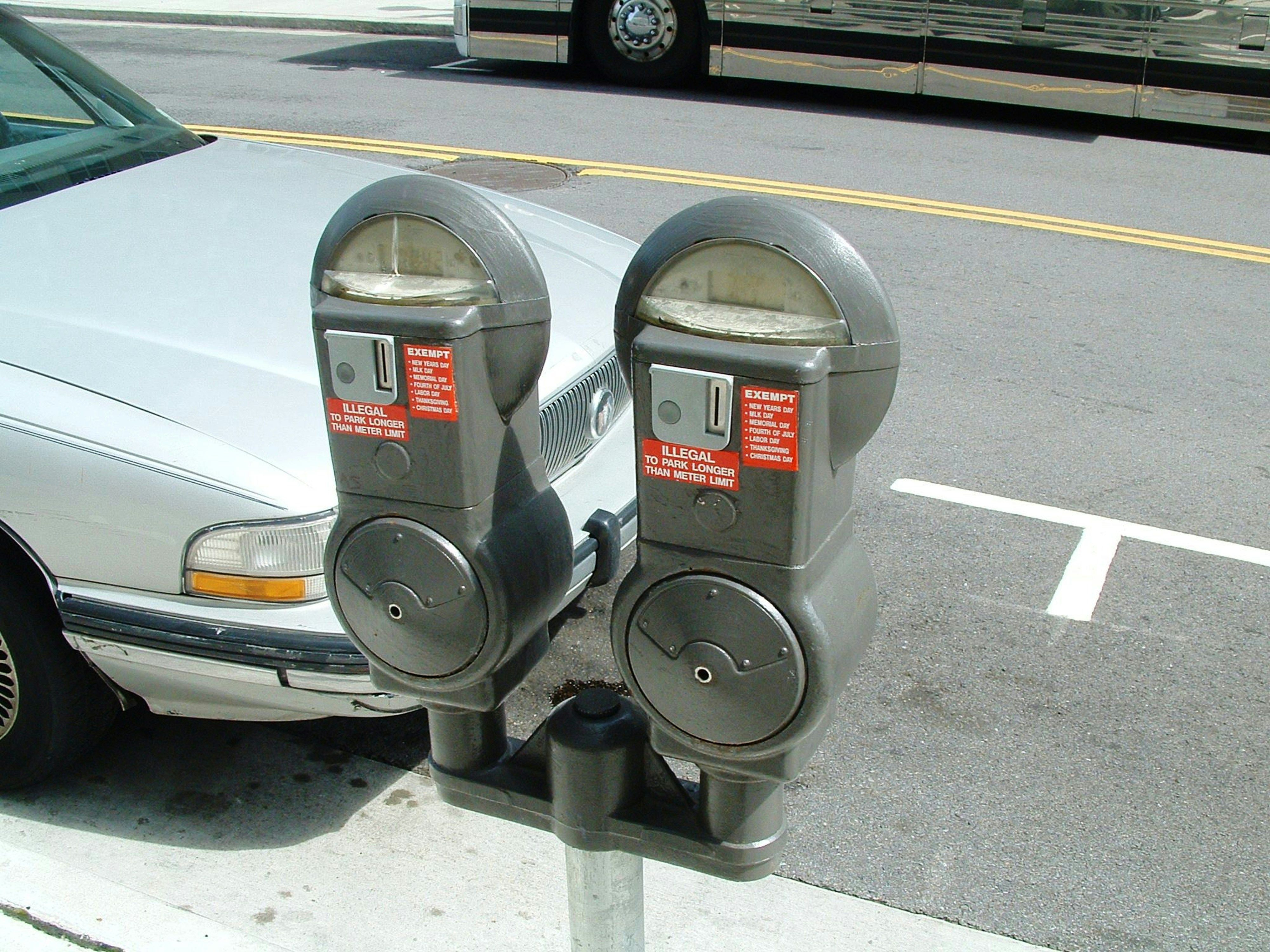
Dual-space meters serve two adjacent parking spaces and consist of two single-space meters mounted on a single pole. This setup enables efficient management of two parking spots with a single device, streamlining the payment process for both spaces. Dual-space meters help optimize the use of limited parking space and reduce the number of individual meters required.
Multi-Space Meters
Multi-space meters serve two or more parking spaces, offering a centralized payment point for multiple spots. These meters are designed to handle transactions for several parking spaces, providing a convenient and cost-effective solution for managing multiple vehicles in a single area. Multi-space meters are suitable for high-traffic areas where several vehicles may need to park for short periods.
Smart Parking Meters
Smart parking meters represent the cutting edge of parking meter technology. These meters are integrated with smart features that enhance the parking experience for drivers. Smart parking meters can accept payments through various methods, including mobile apps, credit cards, and contactless payments.
They may offer real-time availability information, electronic receipts, and even parking duration reminders. Smart parking meters are essential in improving the parking experience by enabling drivers to pay for their parking in multiple ways, ultimately saving time and hassle in traditional parking settings.
Related Reading
How Do Parking Meters Work?
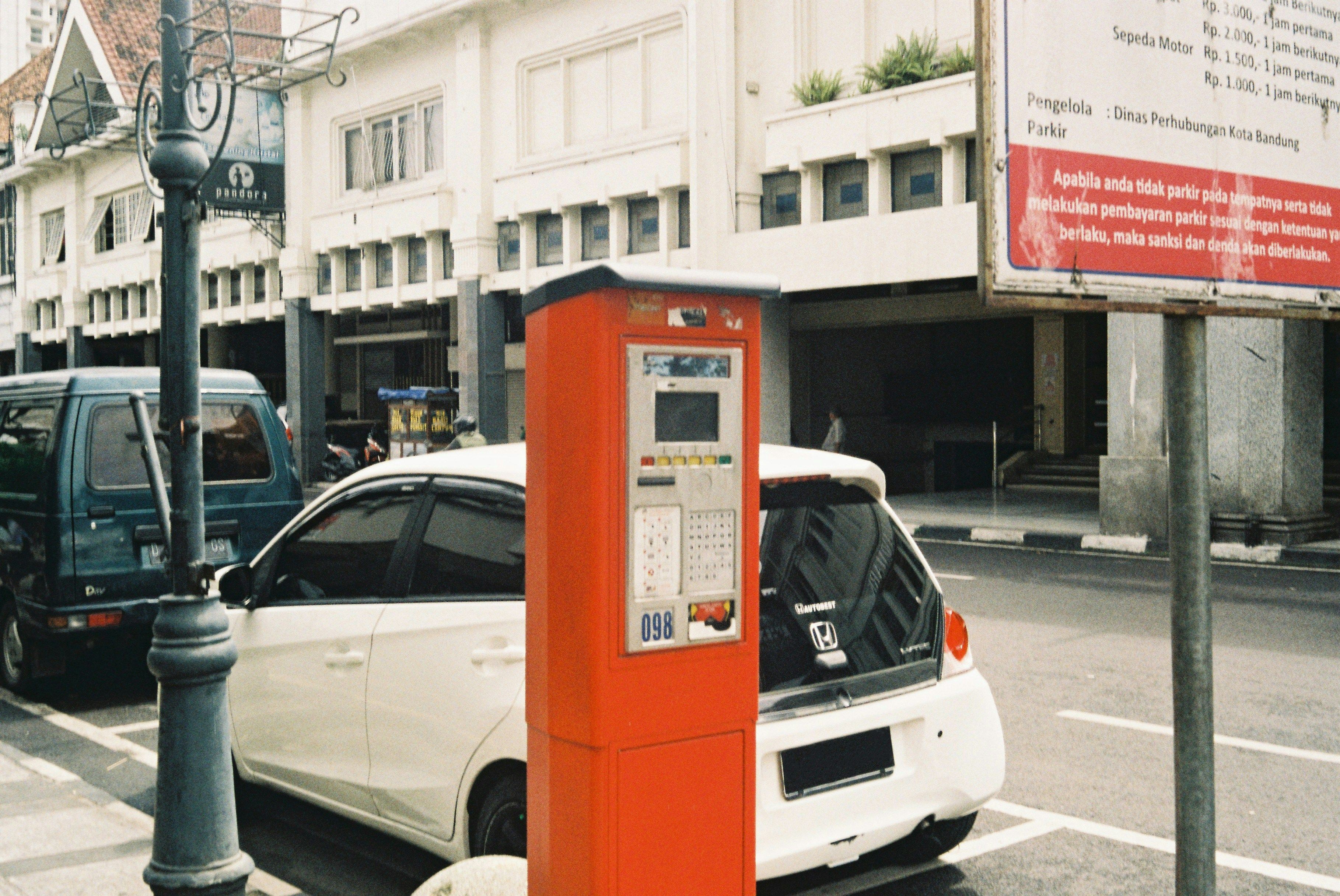
Different technologies are integrated to make smart parking meters functional. The network of devices and communication between them enable the drivers to pay for their parking through digital means. Whenever the car approaches the parking area, the system immediately detects and stores important information on the cloud, such as the vehicle’s license plate and ID number.
The car owner then makes a contactless payment using different payment gateways associated with the parking meters. For instance, in Conure ParkSmart, the drivers can use payment gateways like ParkMobile or FlowBird to pay for parking. These smart parking meters are highly advanced and programmed to notify about the expiring parking pass or additional payments to extend the parking time.
1. Pay and Display
After parking in the vacant parking space, drivers have to walk up to the smart parking meter and pay for their parking after selecting the desired parking time or slot. Pay and display smart parking meter prints the ticket, and then drivers need to place the ticket on their dashboard. In this way, parking enforcement officers can see the purchased parking time for each car and write citations for the vehicles parked outside their allotted time.
2. Pay By Space
In pay-by-space parking systems, the parking spots are numbered. Just like pay display systems, drivers have to walk up to the meter after parking, and along with selecting the desired parking time, the driver also selects the parking space number. This information is displayed on the ticket, and the driver places it on the dashboard before leaving the car.
3. Pay By License
In the pay-by-license system, the driver enters the vehicle’s license plate and the desired parking time to pay for parking. The smart parking meter prints the license plate number on the ticket along with the allotted parking time. Parking officers can see the license plates of the vehicles that have paid for their parking and verify them.
4. Phone Parking Payment
Paying for a parking space through a mobile phone is a highly automated payment option as it allows the drivers to select the parking spot via mobile application and pay for it through connected payment gateways instead of inserting cash into parking meters. There is no need to walk up to the parking meters, print the ticket, and place it on the dashboard. Parking enforcement officers can use smart parking systems to see vehicles that have paid for their spots.
21 Best Parking Meter Companies

1. Parqour
Parqour is a software platform that simplifies parking operations and improves the customer experience. It offers real-time data, automated plate recognition, and contactless payments. We operate in more than 22 countries, 300+ parking areas, and have detected over 100M+ vehicles.
Parqour offers a comprehensive end-to-end management platform to increase revenue, reduce operational cost, and enhance transparency. Say goodbye to piecing together different vendors and integrations. No need to spend huge capital on bulky hardware. Control all operations from one platform. Contactless parking and online payment methods make the parking experience easier for your customers too.
The end result is:
- Higher utilization and lower operating costs
- 99,6% license plate recognition rate
- Online QR payment & 3rd party APIs (integrated with Parkmobile, SpotHero, Honk, PayByPhone)
- Data analytics (real-time occupancy, revenue, utilization, parking trends)
- Validation and permit management (free flow access for approved drivers)
- 24/7 remote control system
- Hardware with zero upfront costs
- Zoning and violation detection (control POD, VIP and nested zones), and much more!
Book a free demo to learn about how Parqour can shift your parking operation into top gear!
2. T2 Systems
T2 Systems is a leading provider of parking management systems for universities, municipalities, and private enterprise. Their portfolio includes cloud-based software solutions that enable real-time data analytics and decision-making. T2’s products are user-friendly and customizable to meet the specific needs of their clients.
The company also offers training and support services to ensure smooth implementation and operation. T2 has a track record of successful partnerships with high-profile clients, establishing themselves as a reliable and innovative company in the industry.
3. Flowbird Group
Flowbird Group, a global leader in innovative and sustainable parking solutions for smart cities, offers a range of products including parking meters, payment solutions, and enforcement tools. With a dedication to reducing the carbon footprint through eco-friendly products and services, Flowbird’s systems enhance user experience with mobile payment options and intuitive interfaces.
Operating in over 80 countries, Flowbird Group is known for its advanced solutions and commitment to steering the future of car parking systems. Their presence in the industry is backed by a solid track record and a good reason why they are a top choice for smart cities.
4. Amano Corporation
Amano Corporation offers a diverse range of car parking systems, ranging from traditional coin-operated machines to modern touchscreen payment solutions. Their systems seamlessly integrate with various payment methods, including credit cards and mobile payments, providing convenience for users.
Amano’s parking system software enables real-time monitoring and reporting, improving operational efficiency and revenue generation. Their systems are highly customizable to meet specific parking needs and requirements, ensuring a tailored solution. With reliable customer support and maintenance services, Amano Corporation is committed to delivering functional and long-lasting parking systems.
5. IBM Corporation
IBM Corporation has a rich history of technological innovation, including in the field of parking systems. Leveraging AI, IoT, and cloud computing, their intelligent parking solutions optimize parking management. By providing real-time information on available parking spaces, IBM’s system can reduce traffic congestion.
What sets IBM apart is the scalability and customization options they offer, tailoring their solution to the unique needs of different organizations. IBM’s suite of smart city solutions can complement parking management efforts. With their expertise and cutting-edge technology, IBM is a top choice for advanced parking solutions.
6. Robotic Parking Systems, Inc
Robotic Parking Systems, Inc offers highly advanced and fully automated parking solutions for various industries. Their systems are equipped with cutting-edge technology, ensuring efficient and secure parking options. With over 100 completed projects worldwide, including commercial and residential buildings, they have proven their expertise in the field.
These customizable systems can accommodate up to 700 vehicles, making them suitable for diverse client needs. The company provides ongoing maintenance and support to ensure the optimal performance of their parking systems.
7. Xerox Corporation
Xerox Corporation offers innovative and advanced parking technology solutions for various industries. Their parking management system is designed to improve efficiency, reduce costs, and enhance customer experience. Xerox’s parking solutions include automated payment systems, parking guidance systems, and license plate recognition technology.
The company’s parking management system integrates with mobile payment apps for seamless payment processing. Xerox’s parking system is highly customizable and can be tailored to meet the unique needs of different clients. With its commitment to providing the most advanced solutions in parking technology, Xerox Corporation remains a trusted name in the industry.
8. SKIDATA
SKIDATA offers advanced parking systems that utilize license plate recognition and mobile payment technology. These high-tech solutions cater to various parking scenarios, such as airports, shopping centers, and stadiums. SKIDATA’s automated parking systems provide a convenient and hands-free parking experience.
They also offer customized solutions tailored to meet specific customer needs. Reliable and efficient, SKIDATA’s parking systems enhance the overall parking experience for drivers. With their commitment to cutting-edge technology, SKIDATA is a top choice in the market.
9. Streetline
Streetline offers some of the most advanced solutions for parking management and optimization. With their smart parking sensors, drivers can access real-time data on parking availability and usage. Streetline’s mobile app makes it easy for drivers to find and pay for parking seamlessly.
Their innovative technology has been implemented in various cities and campuses worldwide, helping to reduce traffic congestion and improve the overall parking experience. Streetline is steering the way towards smarter and more efficient car parking systems, and for good reason.
10. Spaceplus
Spaceplus offers a variety of parking solutions, ranging from mechanical to fully-automated systems. Their systems are designed to maximize parking spaces while minimizing the required footprint.
With customization options available, Spaceplus can cater to each client’s unique needs. Utilizing advanced technologies, their parking systems ensure efficient and safe operations. Boasting a proven track record of successful projects and satisfied clients, Spaceplus is a trusted name in the industry.
11. Conduent, Inc
This veteran technology company offers comprehensive parking solutions, from digital meters and enforcement systems to data analytics and mobile payments.
12. Park Mobile, LLC.
A leader in mobile parking payments, Park Mobile allows users to find, reserve, and pay for parking from their smartphones, simplifying the process and reducing congestion.
13. Robert Bosch GmbH
This technology giant applies its engineering expertise to develop integrated parking solutions, including connected sensors, guidance systems, and payment platforms.
14. SWARCO
Focused on intelligent traffic management solutions, SWARCO provides parking guidance systems, digital signage, and data-driven insights for efficient parking management.
15. Spot Hero
This online marketplace lets users find and reserve parking spots in advance, reducing the stress of searching for parking upon arrival.
16. CivicSmart
CivicSmart, founded in 2005, is a US-based company that provides parking solutions, including smart parking meters, pay stations, and mobile payment solutions. CivicSmart's products are installed in over 500 cities and universities across North America. In 2021, the company launched its latest product, the Strada PAL, a contactless payment-enabled parking meter that allows customers to pay using a smartphone or credit card.
17. IPS Group
IPS Group, founded in 1996, is a US-based company that provides parking management solutions, including smart parking meters, pay stations, and enforcement solutions. IPS Group's products are installed in over 700 cities and universities across North America, Europe, and Asia-Pacific. In 2020, the company launched its latest product, the IPS NextGen, a modular parking meter that allows for easy maintenance and upgrades.
18. LocoMobi
LocoMobi, founded in 2013, is a Canadian-based company that provides parking management solutions, including smart parking meters, pay stations, and cloud-based management software. LocoMobi's products are installed in over 100 locations across North America, including airports, shopping malls, and hospitals. In 2021, the company launched its latest product, the LPR Express, a license plate recognition system that allows for quick and easy parking
19. Parking BOXX
Parking BOXX, founded in 1996, is a Canadian-based company that provides parking management solutions, including smart parking meters, pay stations, and access control systems. Parking BOXX's products are installed in over 1000 locations across North America, including airports, universities, and shopping malls. In 2021, the company launched its latest product, the CloudPARC, a cloud-based parking management system that allows for real-time monitoring and reporting.
20. Ventek International
Ventek International, founded in 2003, is a US-based company that provides parking management solutions, including smart parking meters, pay stations, and cloud-based management software. Ventek International's products are installed in over 300 cities and universities across North America. In 2021, the company launched its latest product, the Cale WebTerminal, a web-based parking meter that allows for easy payment and maintenance.
21. MeterFeeder
MeetFeeder enables you to pay for the parking meter with your smartphone without having to use coins. How appealing does that sound!? While there are actually a fair number of startups targeting “mobile-enabled smart parking meters”, MeterFeeder doesn’t require an expensive upgrade to the legacy coin meters. Instead, it uses GPS to determine which price zone you are in and lets you pay by entering your license plate and credit card information.
5 Metrics to Evaluate the Best Parking Meter Solution

1. Pay-by-Plate versus Pay-and-Display Technology
Pay-by-Plate technology requires drivers to enter their license plate numbers when paying for parking. This technology automatically enters plate numbers into a cloud-based enforcement database, eliminating the need for drivers to display proof of payment on their dashboard.
On the other hand, Pay-and-Display technology requires drivers to display a parking receipt on their vehicle dashboard as proof of payment. The choice between the two types of parking meters largely depends on your operation's needs, budget, and customer base.
2. Smart and Connected Technology
Choosing parking technology with real-time communication links to a central management server can help protect your investment by allowing for immediate troubleshooting and maintenance.
Alert-worthy malfunctions such as fraud attempts, technical difficulties, or maintenance requirements can be quickly identified and addressed. Ensuring that your parking meters are operational and backed by warranties and parts-exchange programs is essential for safeguarding your investment.
3. Hardware Reliability and Durability
Investing in reliable parking meter technology that can endure extreme weather conditions is crucial. Your parking meters should last over a decade with major components lasting anywhere from five to 15 years. To withstand harsh conditions, parking meters must meet international security standards, be resistant to theft, operate under solar power, and resist extreme temperatures, humidity, and vibration.
4. Secure Revenue Processing
Parking meters make your organization responsible for the security of payment transactions, so it's vital to choose a secure product. Factors to consider include the supplier's compliance with Level 1 Payment Card Industry (PCI) standards, credit card risk management parameters, zero-shrinkage coin and cash handling procedures, and regular CSAE audits.
5. Enhancing Your Parking Operation with Value-Add Integrations
Integrating software and hardware solutions such as parking signs, mobile parking applications, and parking enforcement services can enhance customer experiences and parking operations. Parking signs help visitors understand parking regulations, while mobile parking apps offer contactless payment options. Parking enforcement services add a layer of security to your revenue potential.
Related Reading
Simplify Your Parking Operations and Improve Your Customer Experience with Parqour -Book A Free Demo Today
One of the key issues that parking operators face in their day-to-day activities is the complexity of managing different aspects of parking operations. From fluctuating occupancy rates and revenue tracking to managing different payment methods, operators need a robust system that brings all these aspects together. This is where Parqour comes in with its advanced software platform.
Simplifying Parking Operations
Parqour is a comprehensive platform that simplifies parking operations and enhances customer experience. The platform offers real-time data, automated plate recognition, and contactless payments. With operations in over 22 countries and 300+ parking areas, Parqour has detected over 100M+ vehicles. The platform provides a comprehensive end-to-end management solution, enabling operators to increase revenue, reduce operational costs, and enhance transparency.
Streamlining Operations and Enhancing Convenience
By using Parqour, parking operators can say goodbye to juggling multiple vendors and integrations. The platform allows operators to control all operations from a single platform, eliminating the need to invest in bulky hardware. For customers, the platform offers contactless parking and online payment methods, making the parking experience smoother and more convenient. The result of using Parqour is higher parking utilization rates and lower operating costs.
Robust Features and Comprehensive Solutions Offered
Parqour offers a range of features that make it a robust solution for parking operators. These include a license plate recognition rate of 99.6%, online QR payment, and integration with third-party APIs such as Parkmobile, SpotHero, Honk, and PayByPhone. The platform also offers data analytics for real-time occupancy, revenue, utilization, and parking trends. Parqour provides validation and permit management for free-flow access for approved drivers, a 24/7 remote control system, hardware with zero upfront costs, zoning and violation detection, and much more.
To learn more about how Parqour can transform your parking operation, schedule a free demo today!
Written by